What should an AI automation audit checklist include?
It should include workflow inventory, opportunity scoring, data access, approval risk, security controls, ROI baseline, vendor or build fit, and a first-pilot recommendation.
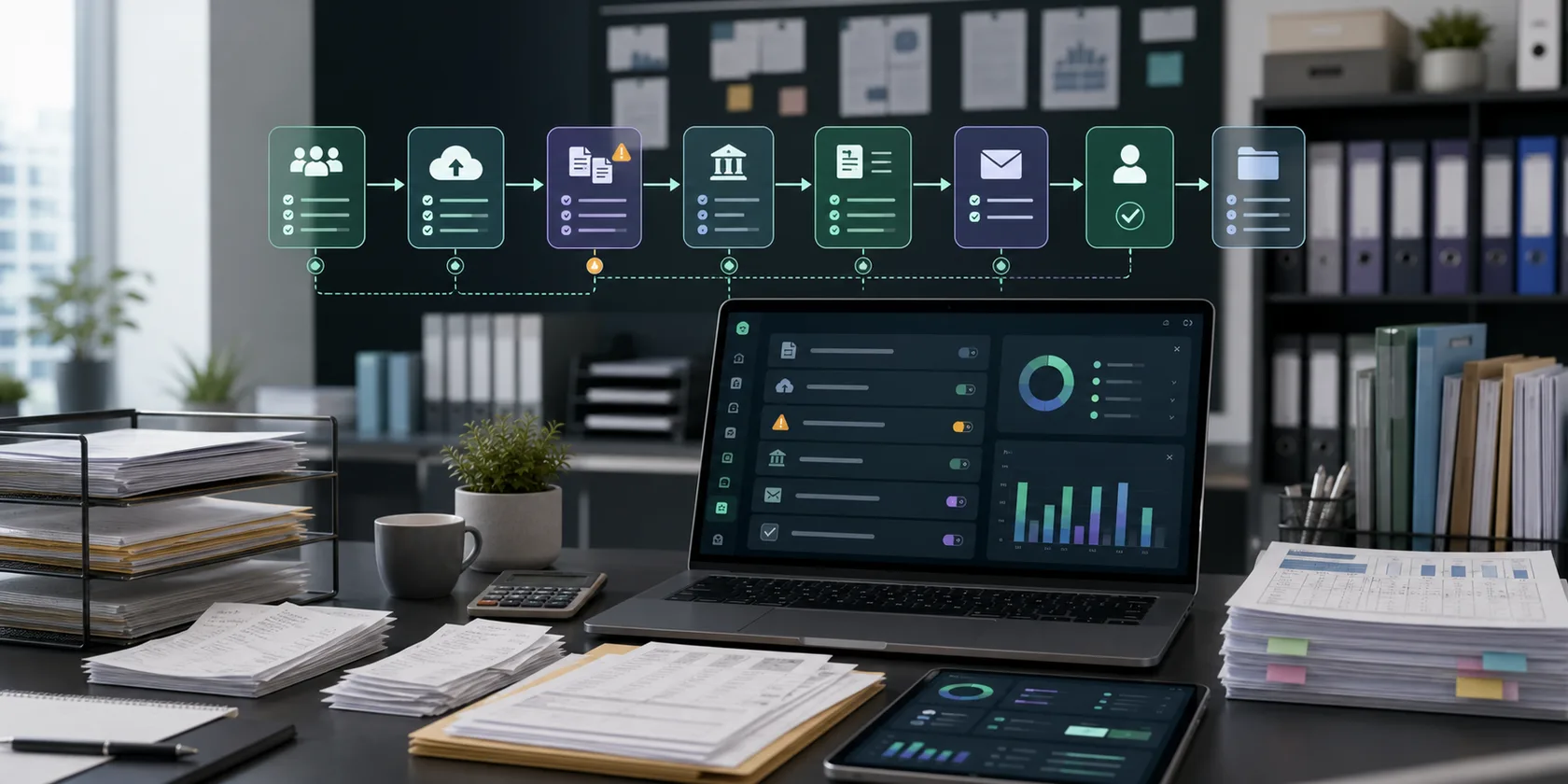
AI automation resource
AI automation audit checklist for reviewing workflows, opportunities, data access, approval risks, guardrails, ROI baselines, and first-pilot readiness.
Search intent
An AI automation audit checklist turns scattered AI ideas into an evidence-based recommendation. The audit should inventory repeated workflows, score automation opportunity, check data access, map approval risk, confirm guardrails, estimate ROI, and identify the safest first pilot before budget or production access is committed.
Guide sections
These resources support buyers who are still comparing examples, controls, ROI, and implementation readiness.
List repeated workflows, owners, source systems, manual steps, handoffs, bottlenecks, exceptions, and current tools before judging fit.
Score each candidate by volume, pain, revenue impact, risk reduction, data readiness, owner capacity, and speed to proof.
Check whether source records, samples, permissions, sensitive fields, system-of-record rules, and retention expectations are usable.
Separate AI preparation from financial, legal, customer-sensitive, compliance, advice, payment, and permanent-record actions.
Review data handling, service accounts, least-privilege access, vendor access, audit logs, incident paths, and rollback expectations.
Capture volume, manual minutes, cycle time, exception rate, revenue leakage, error cost, support effort, and owner workload.
Decide whether the workflow needs consulting, implementation, software configuration, managed support, procurement review, or no build.
Document the recommended first workflow, readiness gaps, guardrails, test plan, success metric, and go/no-go decision rule.
Checklist
A useful resource page should help the buyer make a better decision before they contact anyone.
FAQ
Short answers for teams researching AI workflow automation before choosing a pilot.
It should include workflow inventory, opportunity scoring, data access, approval risk, security controls, ROI baseline, vendor or build fit, and a first-pilot recommendation.
Run an audit when the business has multiple AI ideas, unclear readiness, uncertain data access, approval risk, vendor questions, or no agreed first workflow.
A readiness checklist usually scores one workflow. An audit compares multiple workflows, identifies the strongest opportunity, reviews risk, and recommends the first pilot or no-build path.
Next step
We will help identify the workflow, approval boundary, data sources, and ROI model that make sense for a first pilot.