What should an AI agent governance framework include?
It should include owners, use-case tiers, permission rules, human oversight, audit logs, monitoring cadence, incident controls, vendor controls, and expansion gates.
AI automation resource
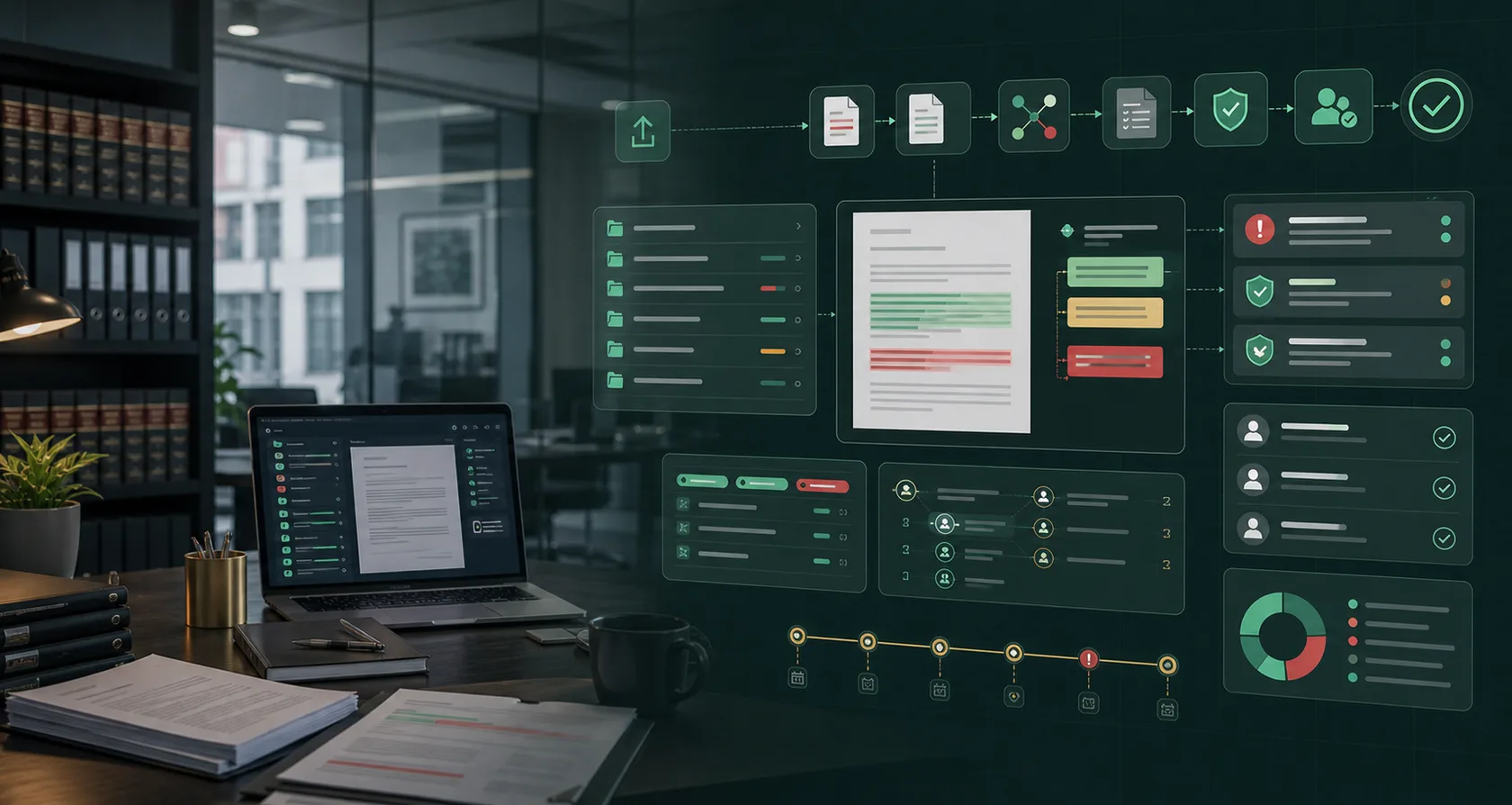
AI agent governance framework for owners, approved use cases, permissions, human review, audit logs, monitoring, incidents, vendors, and expansion gates.
Search intent
An AI agent governance framework gives the business a repeatable way to decide where agents are allowed, who owns them, what they may access, which actions require human review, how evidence is logged, how incidents are handled, and when a workflow can expand to higher-risk work.
Guide sections
These resources support buyers who are still comparing examples, controls, ROI, and implementation readiness.
Name the business owner, technical owner, reviewer lead, security contact, vendor owner, support owner, and expansion approver.
Define employee AI rules, approved tools, public-tool limits, sensitive-data handling, and when work must stay human-approved.
Classify allowed AI preparation, approval-required actions, blocked actions, regulated work, customer-facing work, and system-changing work.
Maintain a register of models, agents, vendors, versions, data access, evaluations, monitoring, incidents, and retirement decisions.
Define allowed actions, blocked actions, human approvals, source evidence, fallback behavior, logs, and monitoring gates before expansion.
Set read, draft, write, send, schedule, payment, export, delete, and permission-change rules by workflow risk level.
Define reviewer roles, source-evidence requirements, approval queues, escalation paths, override rules, and blocked release conditions.
Require logs for prompts, source records, tool calls, outputs, reviewer decisions, exceptions, changed records, and incidents.
Review identity, access, tools, prompt injection, data leakage, testing, monitoring, incidents, and vendor support before expansion.
Review quality, corrections, exceptions, approval latency, tool failures, permissions, cost, adoption, incidents, and ROI after launch.
Define pause authority, access revocation, evidence preservation, rollback steps, owner notification, and safe relaunch requirements.
Review vendor data use, model training, subprocessors, support access, logs, contract terms, and due diligence before production access.
Approve new users, systems, tools, permissions, workflows, or higher-risk actions only after quality, adoption, support, and ROI are proven.
Checklist
A useful resource page should help the buyer make a better decision before they contact anyone.
FAQ
Short answers for teams researching AI workflow automation before choosing a pilot.
It should include owners, use-case tiers, permission rules, human oversight, audit logs, monitoring cadence, incident controls, vendor controls, and expansion gates.
A framework defines the operating model for decisions, owners, controls, evidence, monitoring, and expansion. A policy documents the written rules the organization expects teams to follow.
Governance is needed before agents access production data, connect to tools, draft customer-facing work, update systems, or expand beyond a narrow low-risk pilot.
Next step
We will help identify the workflow, approval boundary, data sources, and ROI model that make sense for a first pilot.