What should an AI automation procurement checklist include?
It should include buying objectives, workflow requirements, vendor questions, security review, pricing categories, contract terms, support expectations, ROI proof, and go/no-go criteria.
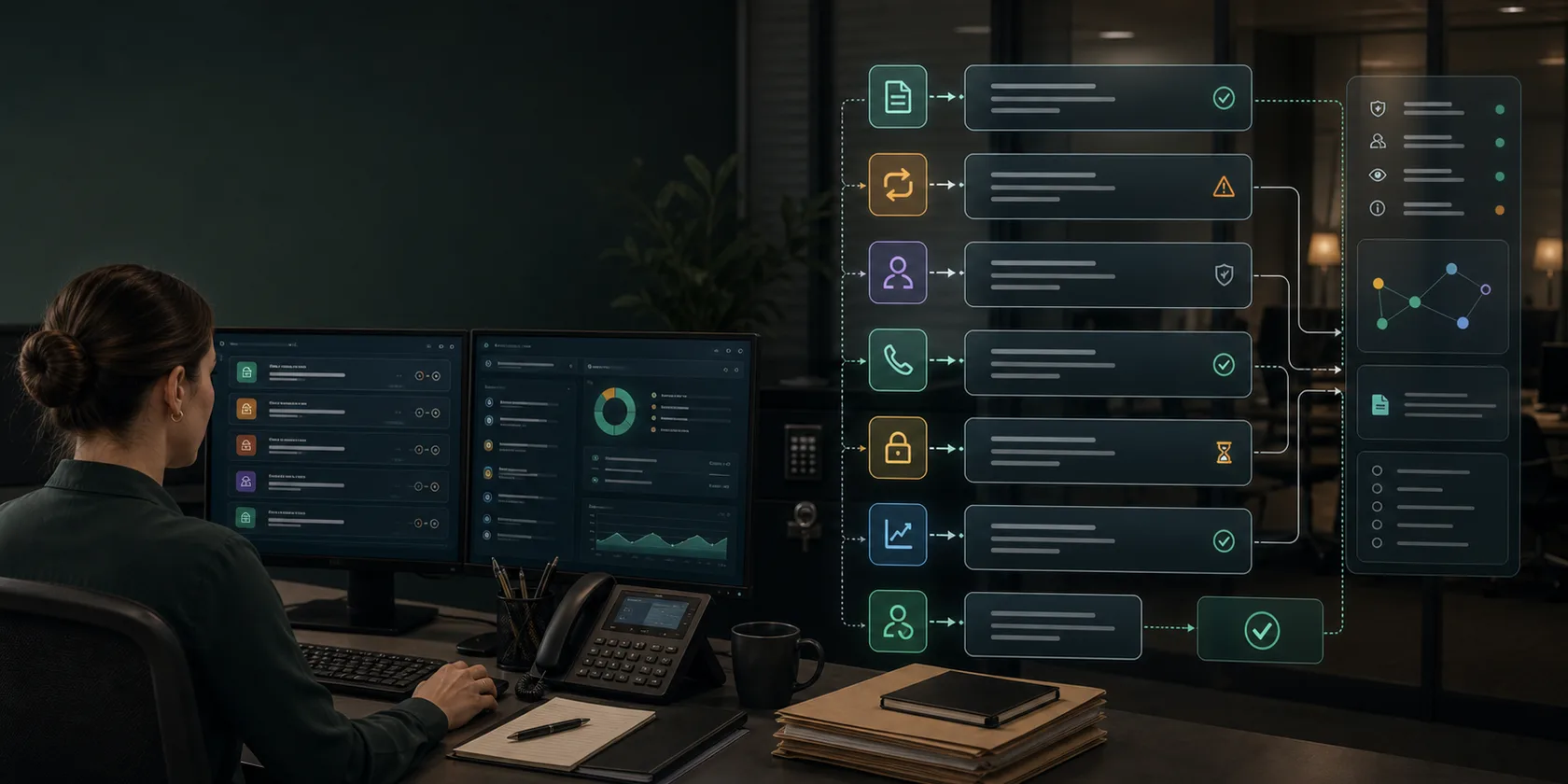
AI automation resource
AI automation procurement checklist for evaluating vendors, scope, pricing, security, data access, guardrails, contracts, support, and ROI proof.
Search intent
AI automation procurement should compare more than demo quality. A useful buying checklist forces each vendor to prove workflow fit, implementation scope, data handling, tool permissions, guardrails, pricing, contract terms, launch support, reporting, and ROI evidence before the business commits budget or production access.
Guide sections
These resources support buyers who are still comparing examples, controls, ROI, and implementation readiness.
Name the workflow outcome, first user group, current pain, expected ROI, timeline, and the reason procurement is happening now.
Compare vendors against workflow requirements, source systems, AI responsibilities, approvals, exceptions, integrations, and excluded actions.
Use the same proposal questions for every vendor so scope, pricing, implementation support, guardrails, and launch commitments are comparable.
Confirm data handling, retention, model training, subprocessors, service accounts, permissions, audit logs, incidents, and support access.
Separate software, discovery, pilot, integration, implementation, managed support, reviewer effort, change requests, and expansion pricing.
Move accepted scope, deliverables, milestones, acceptance criteria, support terms, change control, data rules, and reporting into the SOW.
Score workflow expertise, implementation plan, integration realism, guardrails, pricing transparency, support quality, and ROI proof.
Approve only when business value, risk controls, contract terms, support ownership, and pilot success metrics are clear.
Checklist
A useful resource page should help the buyer make a better decision before they contact anyone.
FAQ
Short answers for teams researching AI workflow automation before choosing a pilot.
It should include buying objectives, workflow requirements, vendor questions, security review, pricing categories, contract terms, support expectations, ROI proof, and go/no-go criteria.
Compare vendors against the same workflow scope, integration assumptions, data controls, guardrails, pricing categories, launch support, contract terms, and measurable ROI expectations.
Procurement should review vendors before production data, system access, write permissions, pilot spend, or implementation commitments are approved.
Next step
We will help identify the workflow, approval boundary, data sources, and ROI model that make sense for a first pilot.