What should an AI agent compliance checklist include?
It should include use-case scope, risk classification, data handling, human oversight, audit logs, vendor controls, incident response, monitoring, and expansion approval rules.
AI automation resource
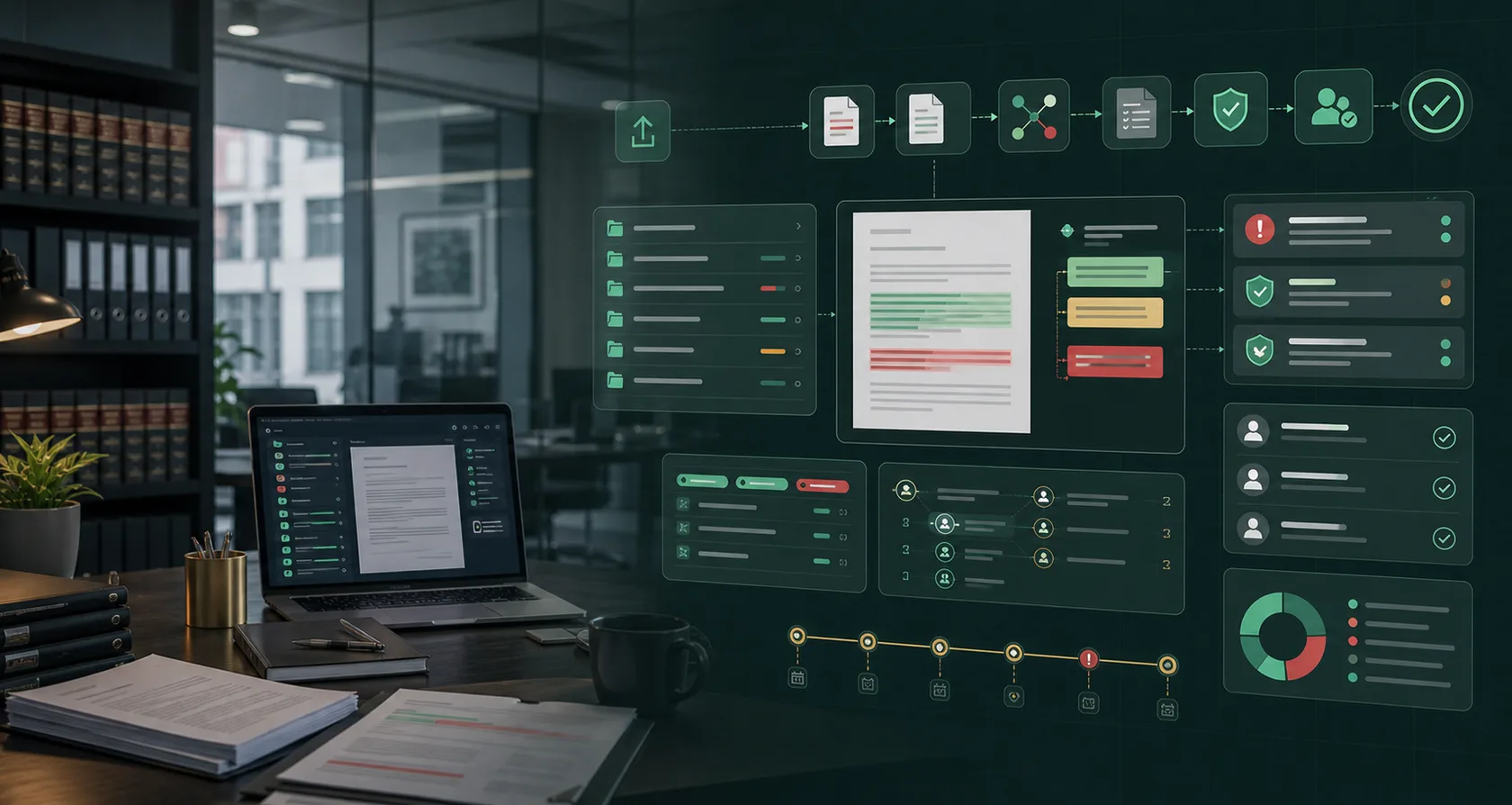
AI agent compliance checklist for reviewing use cases, data handling, human oversight, audit logs, vendor controls, monitoring, incidents, and expansion risk.
Search intent
An AI agent compliance checklist helps teams prove that a workflow is controlled before it touches real systems. The review should cover use-case scope, risk level, data handling, human oversight, audit evidence, vendor responsibilities, incident response, monitoring, and expansion approvals.
Guide sections
These resources support buyers who are still comparing examples, controls, ROI, and implementation readiness.
Confirm the AI workflow appears in the inventory with owner, status, affected teams, data categories, users, and systems.
Review affected users, decision impact, data sensitivity, fairness concerns, human review, vendor risk, and approval evidence.
Confirm employees know approved AI tools, blocked uses, sensitive-data rules, review duties, and shadow AI reporting paths.
Classify customer, financial, legal, health, employee, compliance, pricing, and permanent-record impact before launch.
Review allowed data, sensitive fields, access permissions, retention, redaction, model training limits, and revocation steps.
Define which outputs require reviewer approval, escalation, manager signoff, source evidence, or blocked-action handling.
Confirm prompts, source records, tool calls, reviewer decisions, exceptions, outputs, and changed records are logged.
Check subprocessors, support access, security terms, incident support, data use, service commitments, and contract obligations.
Set monitoring, observability, incident response, owner review, retraining, prompt changes, and expansion approval rules.
Checklist
A useful resource page should help the buyer make a better decision before they contact anyone.
FAQ
Short answers for teams researching AI workflow automation before choosing a pilot.
It should include use-case scope, risk classification, data handling, human oversight, audit logs, vendor controls, incident response, monitoring, and expansion approval rules.
Review should include the workflow owner, technical owner, compliance or security reviewer, approval owner, and vendor contact when a third-party tool or implementation partner is involved.
Review before launch, before expanding permissions or systems, after incidents, after vendor changes, and whenever the workflow begins affecting customers, money, compliance claims, or permanent records.
Next step
We will help identify the workflow, approval boundary, data sources, and ROI model that make sense for a first pilot.