How do you review an AI automation proposal?
Review an AI automation proposal by checking workflow scope, included systems, deliverables, approval guardrails, testing, support, pricing boundaries, ROI metrics, and what is excluded before signing.
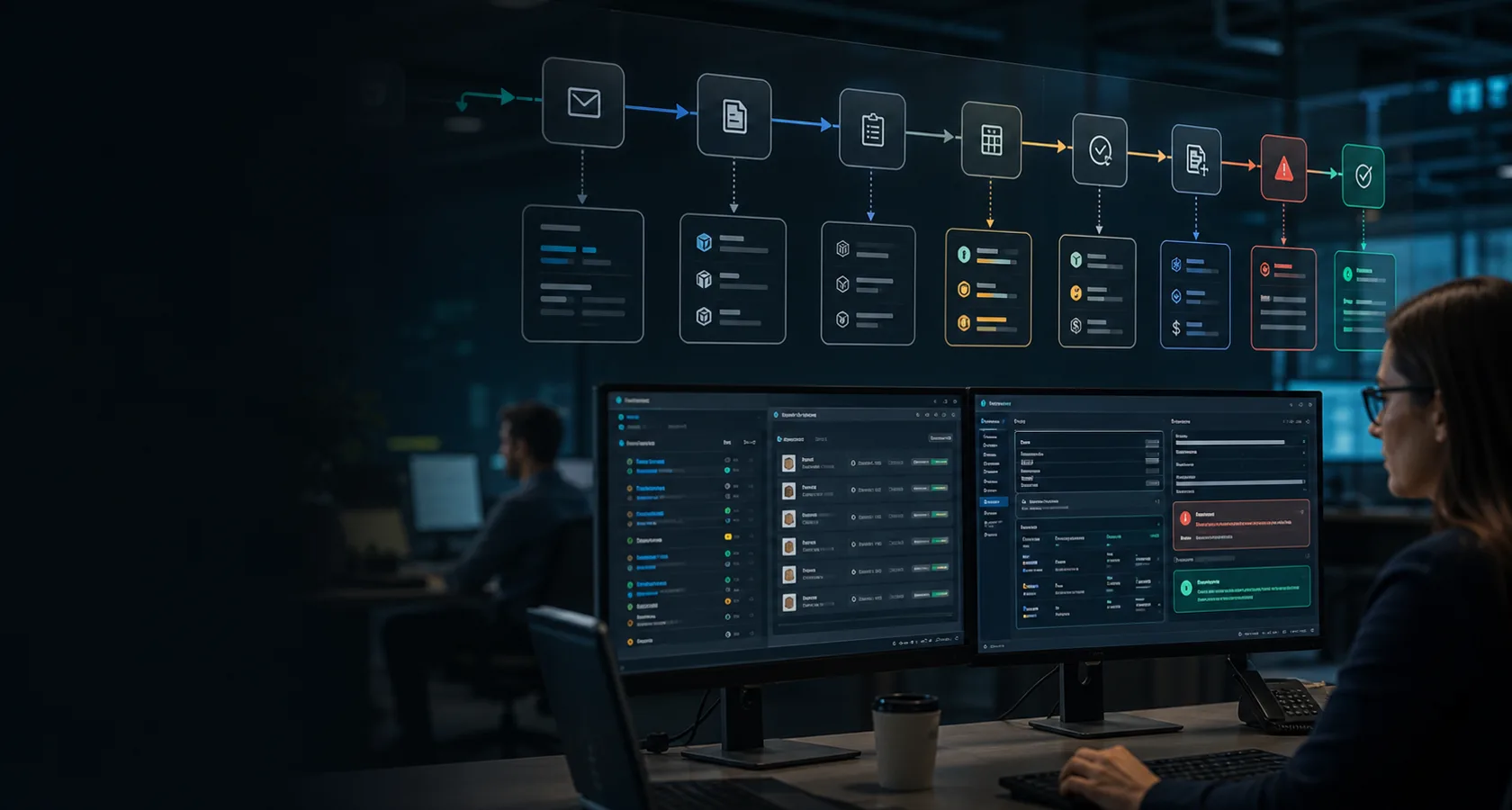
AI automation resource
AI automation proposal review checklist for comparing vendor quotes, workflow scope, integrations, approval guardrails, support, pricing, and ROI proof.
Search intent
An AI automation proposal should make the operating workflow clearer, not hide risk behind broad AI promises. The buyer should be able to see which workflow is in scope, which systems are touched, what AI prepares, which actions remain human-approved, what support is included, how pricing changes, and how success will be measured after launch.
Guide sections
These resources support buyers who are still comparing examples, controls, ROI, and implementation readiness.
Confirm the proposal names one workflow, owner group, source systems, system of record, included steps, excluded steps, and the business metric the project is meant to improve.
Look for specific deliverables such as workflow maps, AI agent roles, integrations, review queues, dashboards, logs, test cases, training, and launch support.
Check whether the quote includes every inbox, CRM, ERP, ticketing system, document store, spreadsheet, payment tool, or vertical platform the workflow depends on.
The proposal should separate AI preparation from approval-required actions, blocked actions, source evidence, fallback states, audit logs, and escalation owners.
Require golden examples, edge cases, low-confidence scenarios, reviewer corrections, integration failures, acceptance criteria, and go-live signoff before production use.
Separate discovery, implementation, software, integrations, managed support, change requests, emergency support, reporting, and expansion pricing before comparing quotes.
Confirm who monitors failures, answers reviewer questions, fixes integrations, tunes prompts, reports ROI, and owns incidents after the first launch window.
Use the proposal to decide whether you need strategy, implementation capacity, software configuration, managed optimization, or a consultant who can oversee a vendor build.
Checklist
A useful resource page should help the buyer make a better decision before they contact anyone.
FAQ
Short answers for teams researching AI workflow automation before choosing a pilot.
Review an AI automation proposal by checking workflow scope, included systems, deliverables, approval guardrails, testing, support, pricing boundaries, ROI metrics, and what is excluded before signing.
A useful proposal should include workflow requirements, implementation scope, integrations, AI agent roles, human approval rules, acceptance criteria, launch support, monitoring, pricing, and ROI reporting.
Red flags include vague transformation language, no workflow owner, unclear integrations, missing approval rules, no test plan, hidden support costs, no acceptance criteria, and no post-launch ROI reporting.
Yes. Proposal review should clarify scope, pricing, guardrails, support, and acceptance criteria before those details become the statement of work.
Next step
We will help identify the workflow, approval boundary, data sources, and ROI model that make sense for a first pilot.