What is an AI impact assessment?
An AI impact assessment reviews who may be affected by an AI use case, what decisions or records may change, which data is involved, what harms could occur, and what controls are needed before approval.
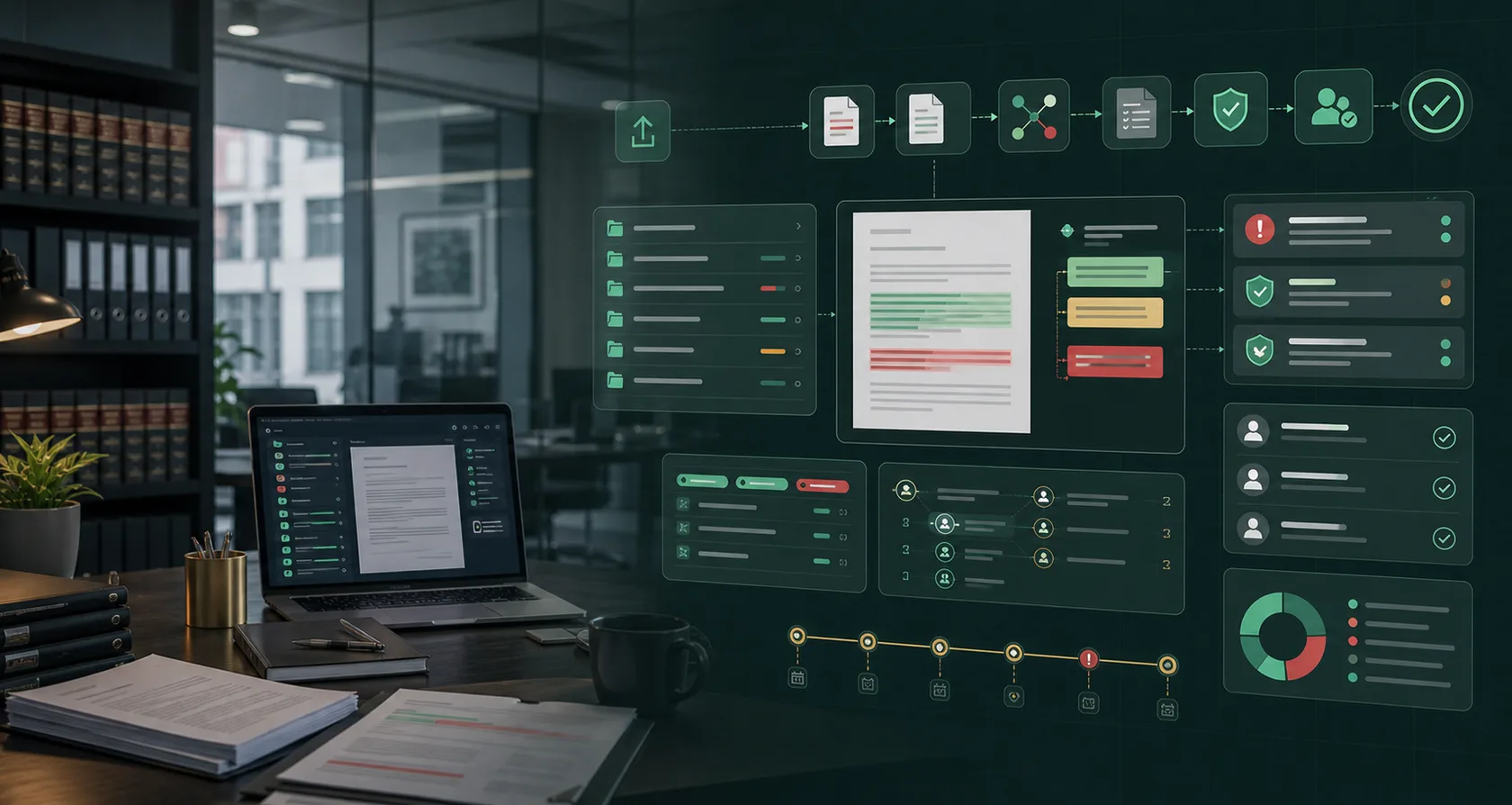
AI automation resource
AI impact assessment template for affected users, data sensitivity, customer impact, fairness, human review, vendor risk, mitigations, and approval evidence.
Search intent
An AI impact assessment helps a business decide whether an AI use case should proceed, pause, or move into stronger governance. The assessment should identify affected people, affected records, decision impact, data sensitivity, human review, vendor involvement, fairness concerns, reversibility, mitigation evidence, and the owner who accepts the decision.
Guide sections
These resources support buyers who are still comparing examples, controls, ROI, and implementation readiness.
Start from the inventory: name the use case, owner, department, users, tool, workflow, source systems, status, and decision needed.
Document the model, agent, vendor, version, environment, owner, data access, lifecycle status, and evaluation evidence.
Identify customers, employees, applicants, patients, vendors, partners, managers, reviewers, and operational teams affected by the AI use.
Classify whether AI only drafts or whether it influences eligibility, pricing, prioritization, advice, customer treatment, or records.
Review customer, employee, health, financial, legal, credential, pricing, proprietary, regulated, and private-note data exposure.
Define reviewer duties, source evidence, approval triggers, escalation paths, override rules, and blocked-release conditions.
Check whether outputs could treat people inconsistently, amplify biased source data, hide uncertainty, or create unfair escalation paths.
Document vendors, public tools, subprocessors, data use, model training terms, support access, retention, and procurement status.
List controls, approval rules, data minimization, testing evidence, monitoring metrics, incident response, and rollback steps.
Approve, approve with controls, keep read-only, require redesign, send to risk register, or reject before implementation expands.
Checklist
A useful resource page should help the buyer make a better decision before they contact anyone.
FAQ
Short answers for teams researching AI workflow automation before choosing a pilot.
An AI impact assessment reviews who may be affected by an AI use case, what decisions or records may change, which data is involved, what harms could occur, and what controls are needed before approval.
Use it before launching AI that affects customers, employees, applicants, pricing, eligibility, compliance claims, sensitive records, public content, or permanent system updates.
An impact assessment focuses on affected people, decisions, data, fairness, transparency, and business consequences. A risk assessment scores the workflow controls, permissions, failures, and launch readiness.
Next step
We will help identify the workflow, approval boundary, data sources, and ROI model that make sense for a first pilot.