What is an AI agent incident response plan?
It is a playbook for stopping an unsafe AI agent workflow, preserving evidence, notifying owners, revoking access, correcting bad actions, and relaunching safely after fixes.
AI automation resource
AI agent incident response plan for stopping unsafe automations, revoking access, reviewing logs, notifying owners, rollback, and safe relaunch.
Search intent
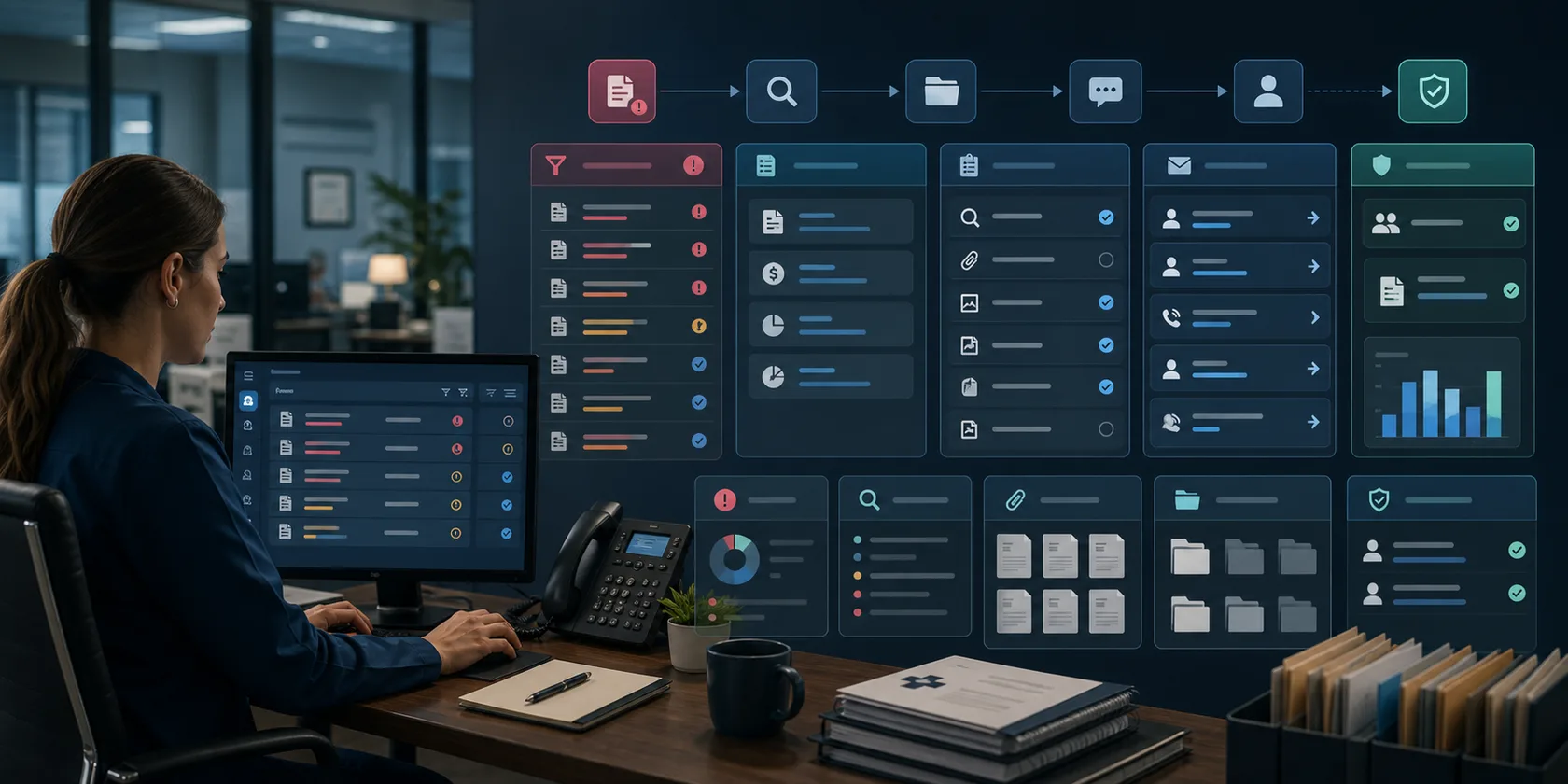
An AI agent incident response plan defines what happens when an automation sends the wrong message, changes the wrong record, exposes data, calls the wrong tool, bypasses approval, or starts creating repeated exceptions. The plan should make it easy to stop the agent, preserve evidence, notify owners, revoke access, roll back changes, and relaunch only after the workflow is safe.
Guide sections
These resources support buyers who are still comparing examples, controls, ROI, and implementation readiness.
Define which signals pause the agent: unsafe output, tool misuse, data exposure, policy conflict, repeated correction, or customer-impacting error.
Document how to disable agent credentials, remove write permissions, switch to read-only mode, and pause scheduled automations.
Preserve prompts, source records, tool calls, reviewer actions, changed records, timestamps, and exception categories.
Name the business owner, technical owner, security contact, vendor contact, reviewer group, and customer or internal notification path.
Decide how records, messages, approvals, payments, tasks, or customer commitments are corrected after a bad agent action.
Relaunch only after root cause, guardrail fixes, test cases, reviewer signoff, monitoring, and support ownership are confirmed.
Checklist
A useful resource page should help the buyer make a better decision before they contact anyone.
FAQ
Short answers for teams researching AI workflow automation before choosing a pilot.
It is a playbook for stopping an unsafe AI agent workflow, preserving evidence, notifying owners, revoking access, correcting bad actions, and relaunching safely after fixes.
Pause the agent when it exposes sensitive data, bypasses approval, calls the wrong tool, changes the wrong record, sends unsafe messages, or creates repeated low-confidence exceptions.
Ownership should include the workflow owner, technical owner, security or compliance contact, reviewer lead, and vendor support contact when a vendor system or implementation partner is involved.
Next step
We will help identify the workflow, approval boundary, data sources, and ROI model that make sense for a first pilot.