What should an AI automation governance policy include?
It should include approved use cases, blocked actions, data access rules, human approval requirements, audit logs, vendor controls, incident paths, monitoring cadence, and expansion criteria.
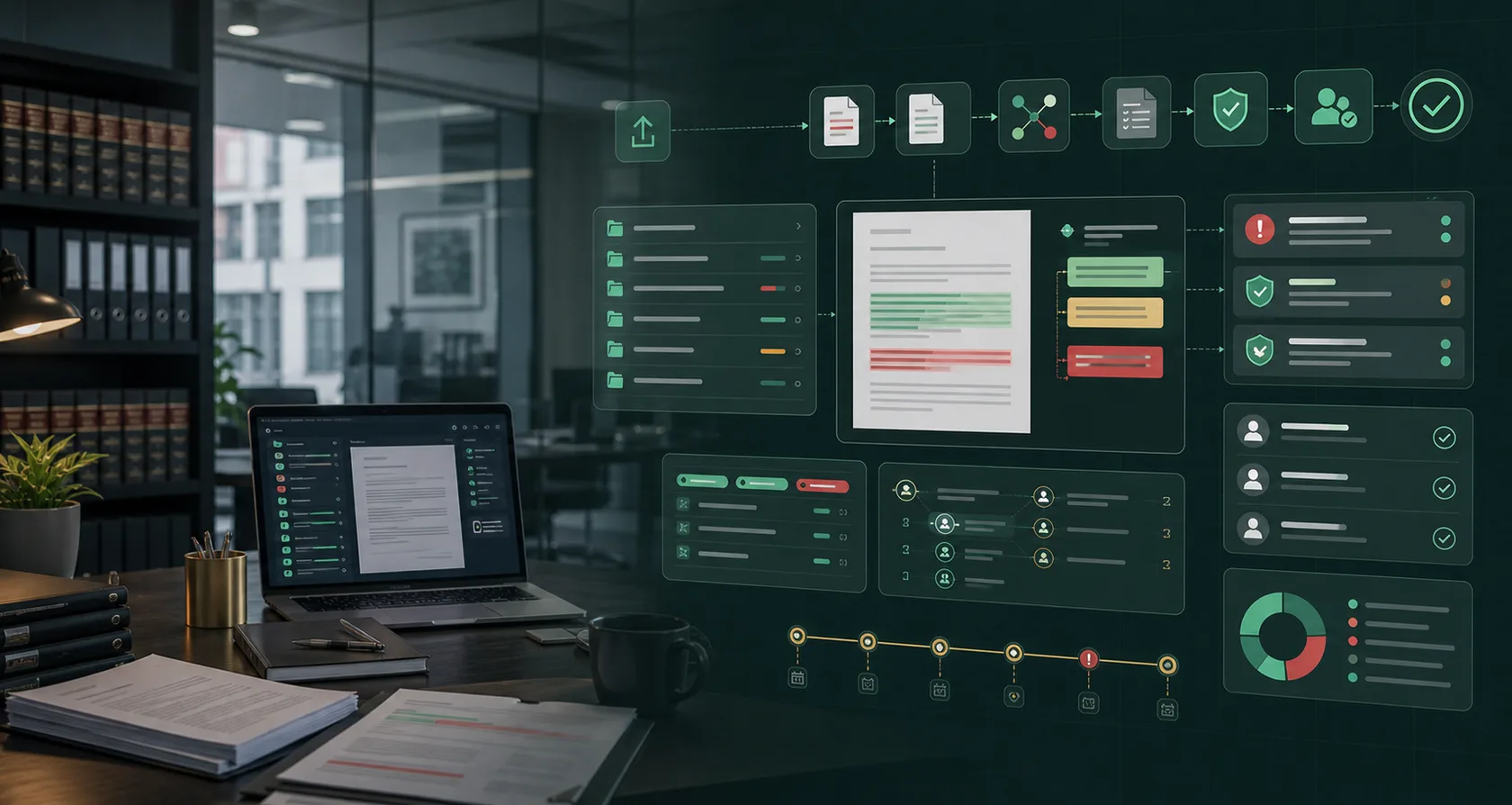
AI automation resource
AI automation governance policy template for defining approved use cases, data access, human review, audit logs, vendor controls, and expansion rules.
Search intent
An AI automation governance policy turns scattered AI experiments into controlled workflow decisions. It should define approved use cases, blocked actions, data access limits, reviewer ownership, vendor responsibilities, audit evidence, exception handling, and the criteria required before AI agents move into higher-risk work.
Guide sections
These resources support buyers who are still comparing examples, controls, ROI, and implementation readiness.
Name which departments, workflows, systems, records, and AI agent responsibilities are covered by the policy.
Set rules for public AI tools, approved vendors, sensitive data, customer-facing content, human review, and shadow AI reporting.
List AI ideas, employee tools, workflow candidates, owners, data categories, risk tiers, status, and next review decisions.
Require impact review before AI affects customers, employees, eligibility, pricing, compliance claims, or permanent records.
Require a documented procedure for triggers, evidence checks, tool use, reviewer steps, exceptions, and fallback ownership.
Define allowed data, sensitive fields, permission limits, retention expectations, service accounts, and access revocation steps.
Require review for financial, customer, legal, compliance, pricing, medical, advice, and permanent-record actions.
Document data handling, subprocessors, support responsibilities, incident paths, change control, and post-launch ownership.
Expand only when the pilot meets quality, adoption, ROI, exception, approval, and support thresholds for a defined review period.
Confirm use-case classification, human oversight, data handling, audit evidence, vendor controls, monitoring, and incident ownership.
Checklist
A useful resource page should help the buyer make a better decision before they contact anyone.
FAQ
Short answers for teams researching AI workflow automation before choosing a pilot.
It should include approved use cases, blocked actions, data access rules, human approval requirements, audit logs, vendor controls, incident paths, monitoring cadence, and expansion criteria.
Ownership should usually include the workflow owner, technical owner, security or compliance reviewer, and the business leader who approves expansion beyond the first pilot.
Yes, but it can be lightweight. Even a small team should define what AI can do, what people must approve, which data is allowed, and when a workflow is safe enough to expand.
Next step
We will help identify the workflow, approval boundary, data sources, and ROI model that make sense for a first pilot.