What should an AI agent testing checklist include?
It should include golden examples, edge cases, missing data, low-confidence outputs, tool calls, blocked actions, approval rules, audit logs, fallback paths, and launch signoff.
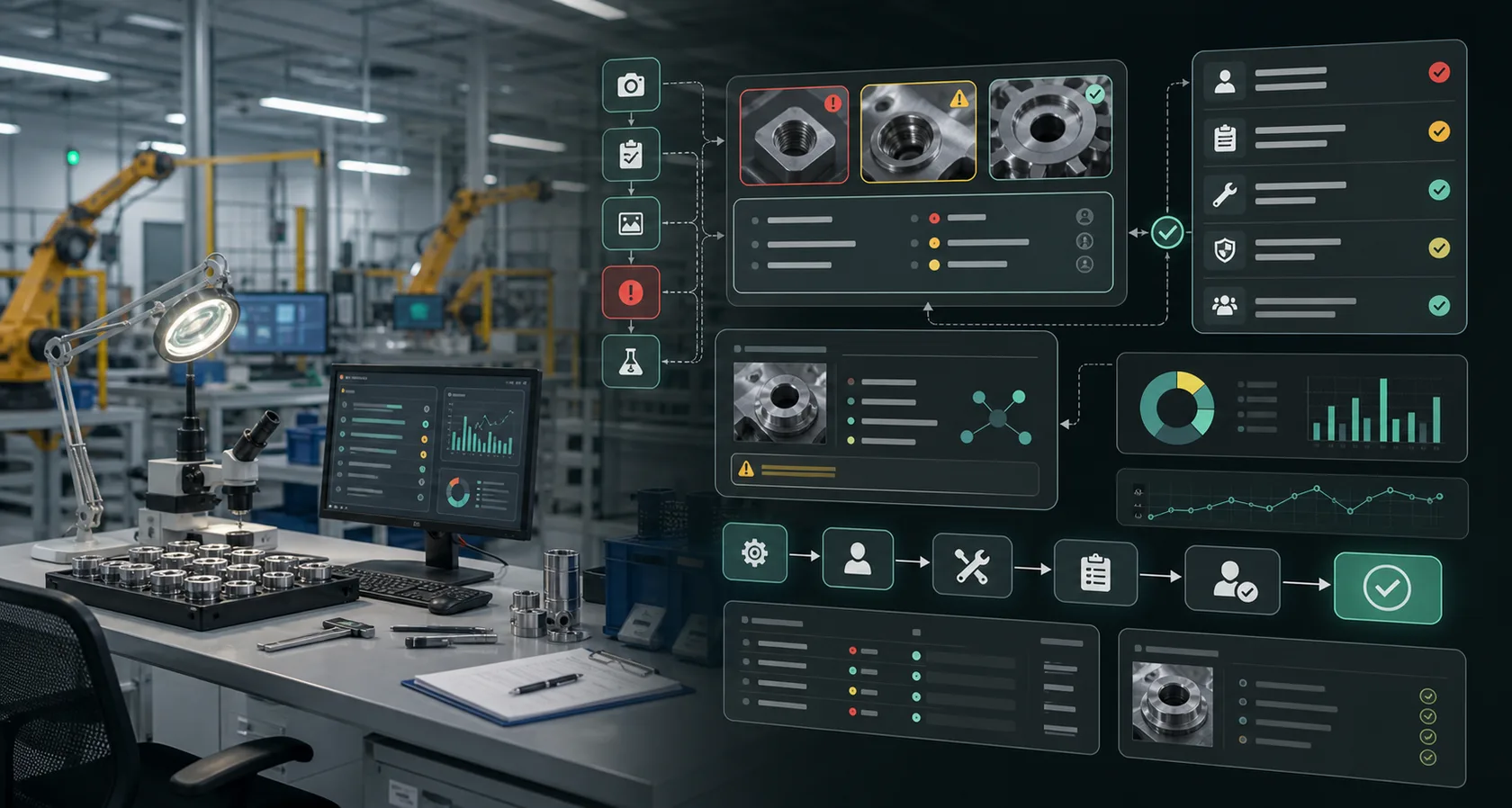
AI automation resource
AI agent testing checklist for validating prompts, tool calls, edge cases, approval rules, fallback paths, audit logs, permissions, and launch readiness.
Search intent
An AI agent testing checklist should prove that the workflow behaves safely before production launch. Testing should cover normal work, edge cases, missing data, low confidence, approval rules, tool permissions, audit logs, fallback paths, cost spikes, and owner signoff.
Guide sections
These resources support buyers who are still comparing examples, controls, ROI, and implementation readiness.
Test successful cases using real workflow examples, expected outputs, source evidence, owner-approved answers, and baseline timing.
Test missing data, conflicting records, unusual values, customer-sensitive messages, policy conflicts, and low-confidence outputs.
Run adversarial cases for prompt injection, data leakage, tool misuse, approval bypass, memory poisoning, and unsafe fallback behavior.
Validate every read, write, send, schedule, purchase, retry, failure, permission denial, and blocked action before launch.
Confirm that financial, legal, compliance, customer-sensitive, advice, and permanent-record actions route to the right reviewer.
Check that prompts, source records, tool calls, outputs, reviewer decisions, exceptions, and changed records are logged.
Score the agent against task success, output quality, source evidence, tool use, reviewer burden, risk, cost, and ROI.
Launch only after failures are fixed, fallback paths work, owners sign off, and production deployment checks are complete.
Checklist
A useful resource page should help the buyer make a better decision before they contact anyone.
FAQ
Short answers for teams researching AI workflow automation before choosing a pilot.
It should include golden examples, edge cases, missing data, low-confidence outputs, tool calls, blocked actions, approval rules, audit logs, fallback paths, and launch signoff.
Test before production launch, after any prompt or permission change, after integration updates, and before relaunching an agent after an incident.
Testing proves the workflow is safe enough to launch. Monitoring checks real production behavior after launch so the team can tune, pause, or expand with evidence.
Next step
We will help identify the workflow, approval boundary, data sources, and ROI model that make sense for a first pilot.